Addressing hydrocarbon fouling in heat exchange equipment across refinery operations.
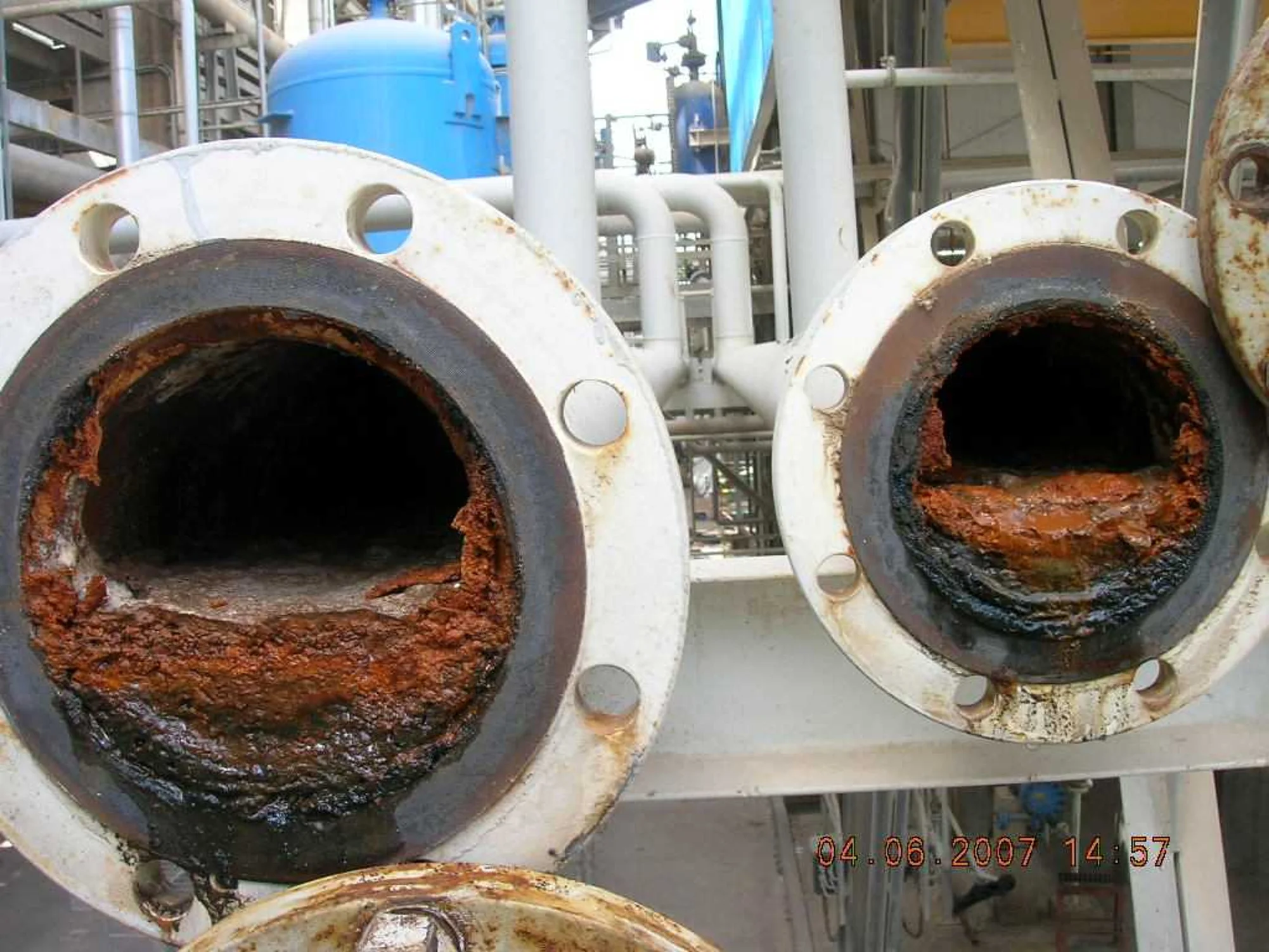
Hydrocarbon fouling in refinery heat exchangers is caused by thermal decomposition and polymerization of crude oil components on hot surfaces. This fouling layer acts as insulation, progressively reducing heat transfer efficiency.
A refinery documented declining heat exchanger performance across multiple units in their process operations. The fouling rate was faster than predicted, shortening maintenance intervals and increasing operating costs.
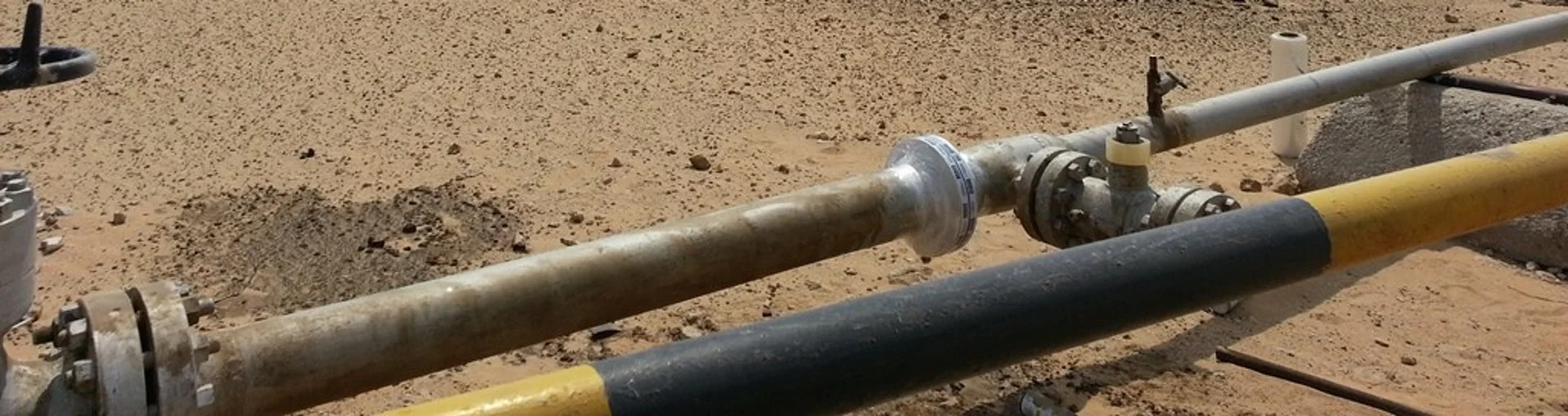
Strategic installation of Merus Rings on the heat exchanger feed streams reduced the rate of fouling deposit formation. The technology modified the thermal behavior of the hydrocarbons, reducing their tendency to form deposits on heat transfer surfaces.
Overeny vykon
Klucove vysledky
Fouling rate reduced
Maintenance intervals extended
Heat exchanger efficiency maintained closer to design
Downstream
Related Case Studies
 Downstream
Biofouling at a Refinery
Addressing biological fouling challenges in refinery cooling water systems using Merus Ring technology.
Precitat pripadovu studiu Downstream
Heat Transfer in Refinery Processes
Improving heat exchanger performance in refinery crude distillation heat trains.
Precitat pripadovu studiu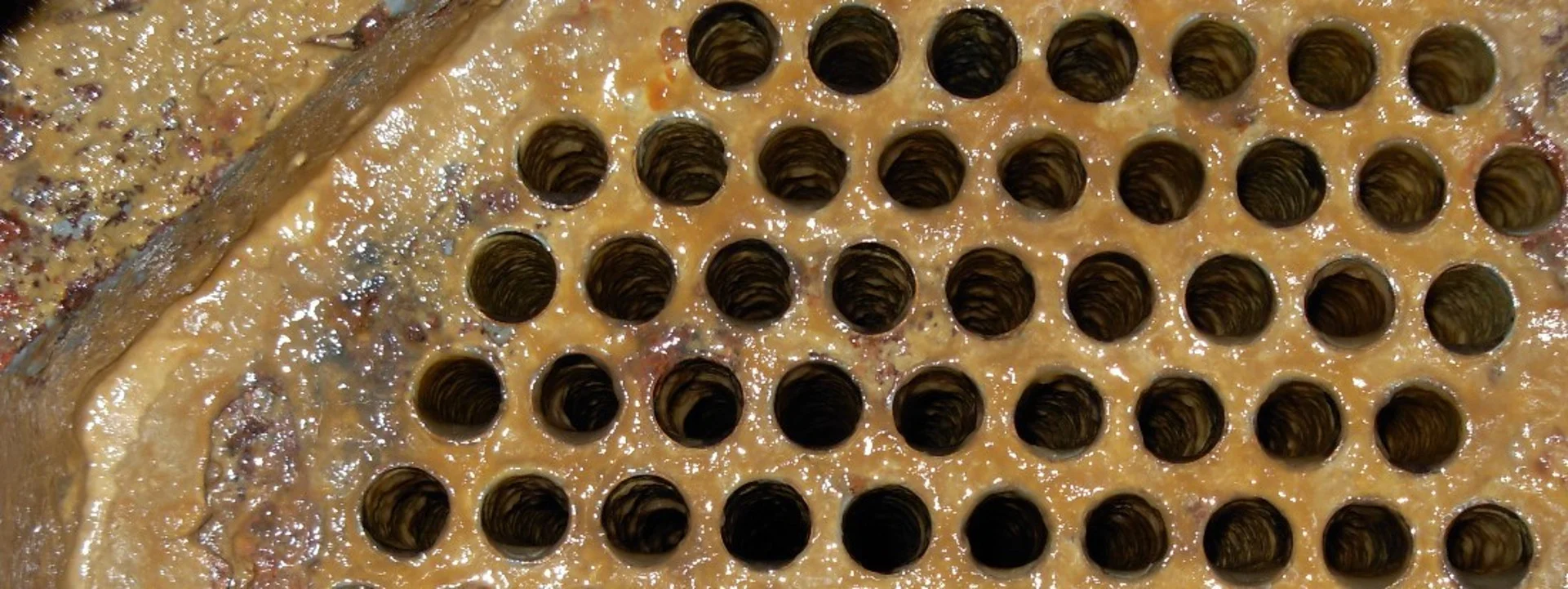 Downstream
Heat Transfer in Hydrocarbon Processing Improved
Documented improvement in heat transfer rates in hydrocarbon processing heat exchangers.
Precitat pripadovu studiuPripraveni optimalizovat svoje prevadzky?
Kontaktujte nas pre skusobne obdobie s fixnymi cenami. Meriame vykon pred a po instalacii.
Poziadajte o konzultaciu