
Applications
Downstream Applications
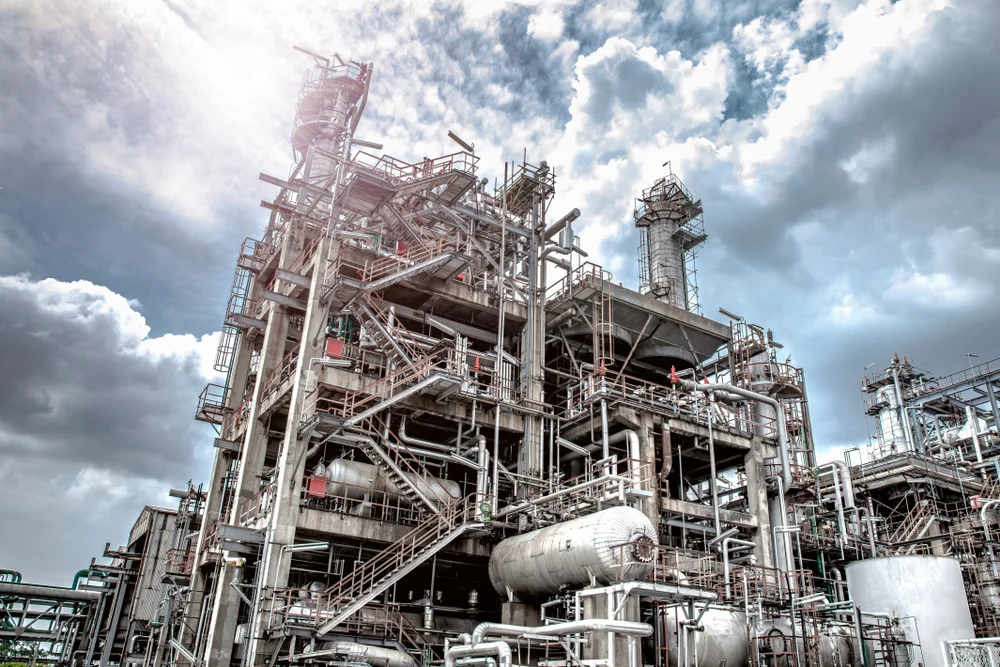
Refineries and Petrochemical Plants
Downstream
Refining Process
In refineries, crude oil undergoes thermal separation at approximately 400 degrees C, producing everything from gasoline to bitumen. Oil quality significantly affects refining efficiency.
Crude oil undergoes thermal separation at approximately 400 degrees C, producing gasoline, diesel, kerosene, heating oil, and bitumen.
Heat Train Systems
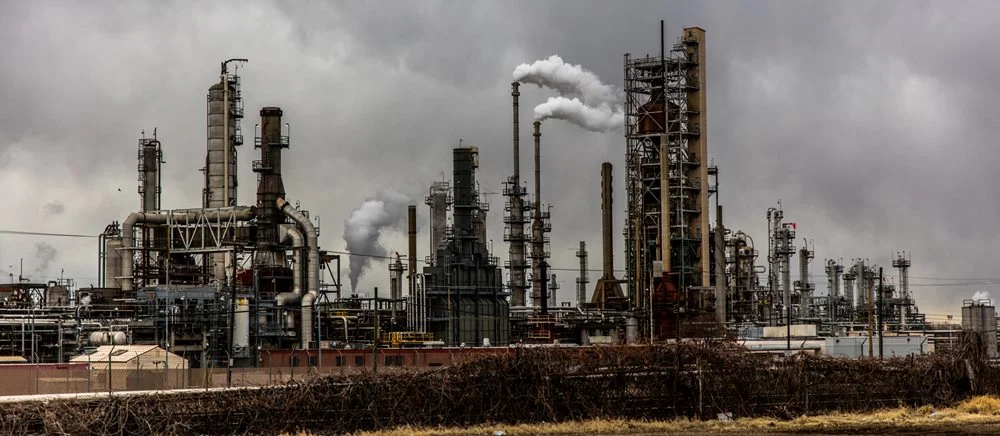
Cross flow heat exchangers and furnaces heat crude oil efficiently through multi-stage preheating. Our technology reduces fouling rates, extending run times and improving efficiency.
Cooling Water Treatment
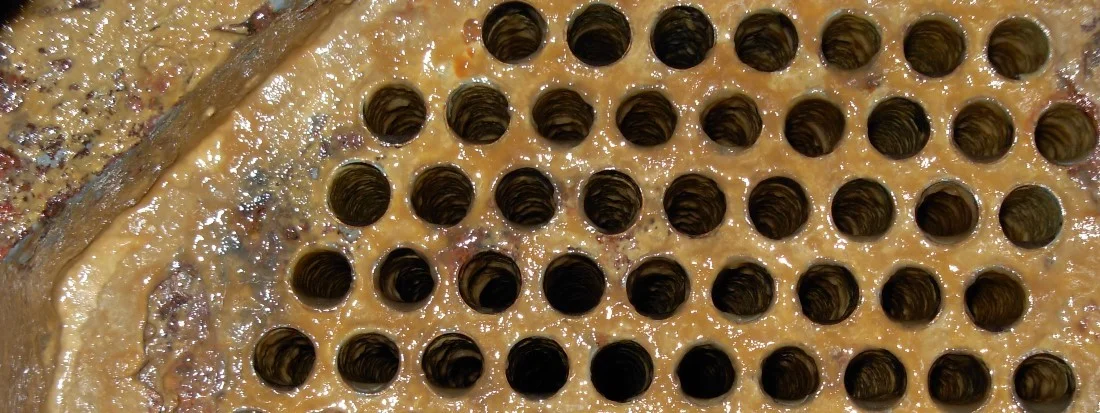
Managing scaling, corrosion, and biofouling in refinery cooling systems. Our approach reduces chemical treatment costs while maintaining system performance.
Scaling Control
Preventing mineral deposits in cooling towers and heat exchangers
Corrosion Protection
Reducing corrosion rates in cooling water circuits and piping
Biofouling Reduction
Managing biological growth without excessive biocide usage
Proven Performance
Our Results
Reduced Fouling
Lower fouling rates in heat exchangers and cooling systems, extending maintenance intervals significantly.
Lower Chemical Costs
Decreased reliance on chemical treatment programs for scaling, corrosion, and biofouling management.
Improved Throughput
Better heat transfer efficiency means higher refinery throughput and lower energy consumption per barrel.
Case Studies
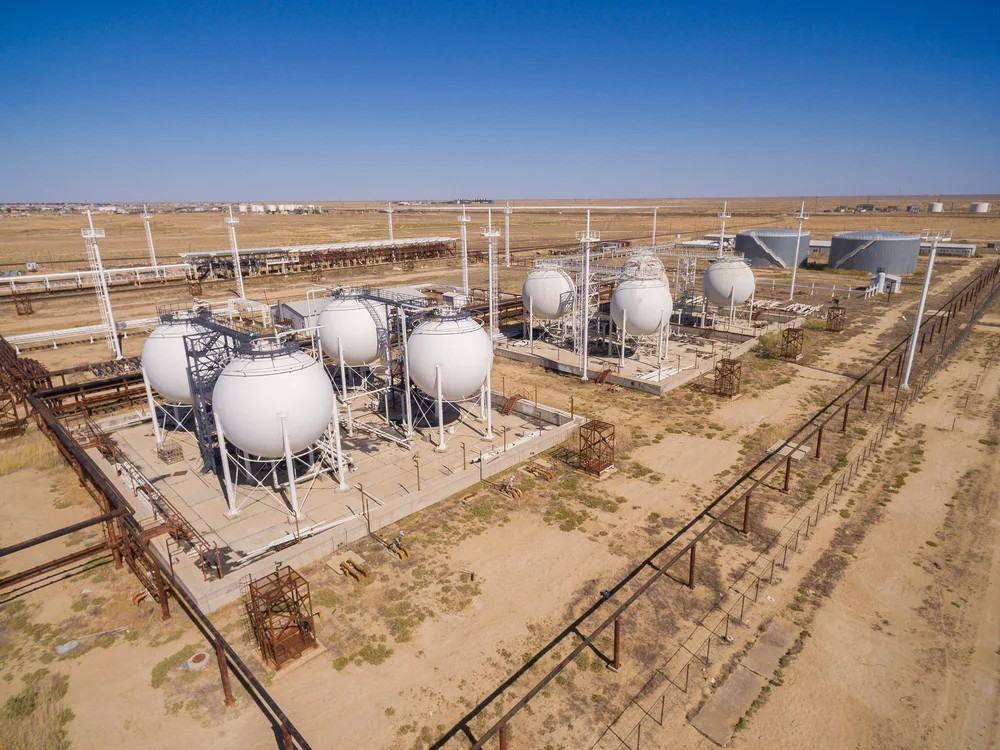
Real-world results from installations worldwide
In refineries, crude oil undergoes thermal separation at approximately 400 degrees C, producing everything from gasoline to bitumen.